About Asia’s Songbird Trade
The theme for this year’s Singapore Bird Race focuses on the Asian songbird trade. The bird trade is a widespread phenomenon across Asia, particularly in Southeast Asia, and exists at the intersection of social, economic, and cultural life. For some communities, it provides a vital source of income; for others, birdkeeping is a cherished hobby no different from keeping other companion animals; while for many, it is also a longstanding cultural tradition.
In recent years, the trade has evolved alongside digital platforms. E-commerce marketplaces and social media have made it easier for buyers and sellers to connect, presenting new challenges for monitoring and enforcement. At the same time, changing trends and demand for rare, new or desirable species continue to fuel the market and species targeted.
Although the motivations for birdkeeping vary widely, one concern remains universal: the unsustainable harvesting of birds from the wild to supply the trade. Where demand exists, poaching can become a source of livelihood for those seeking income, placing immense pressure on wild bird populations. This has contributed to the decline of many native songbird species across the region.
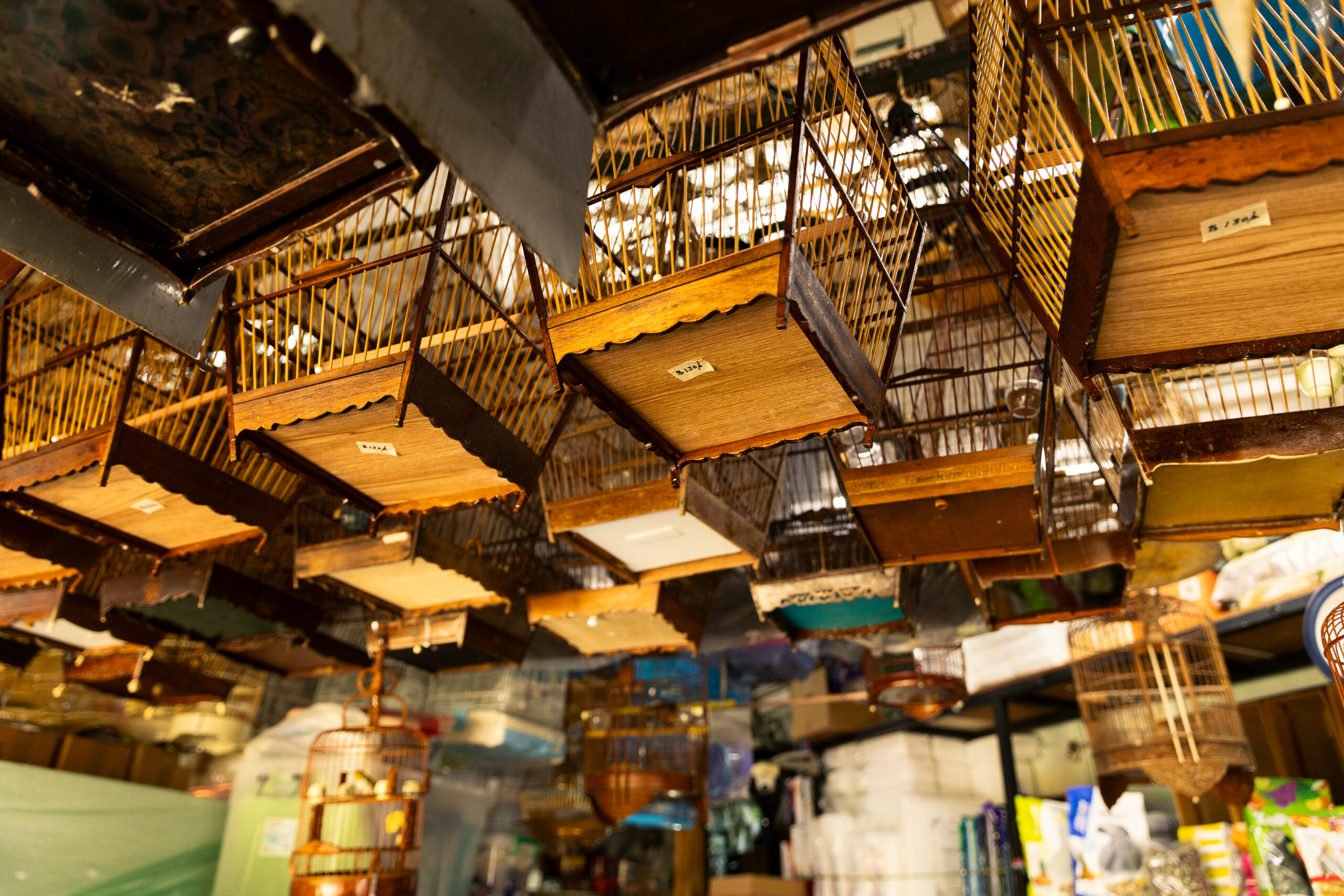
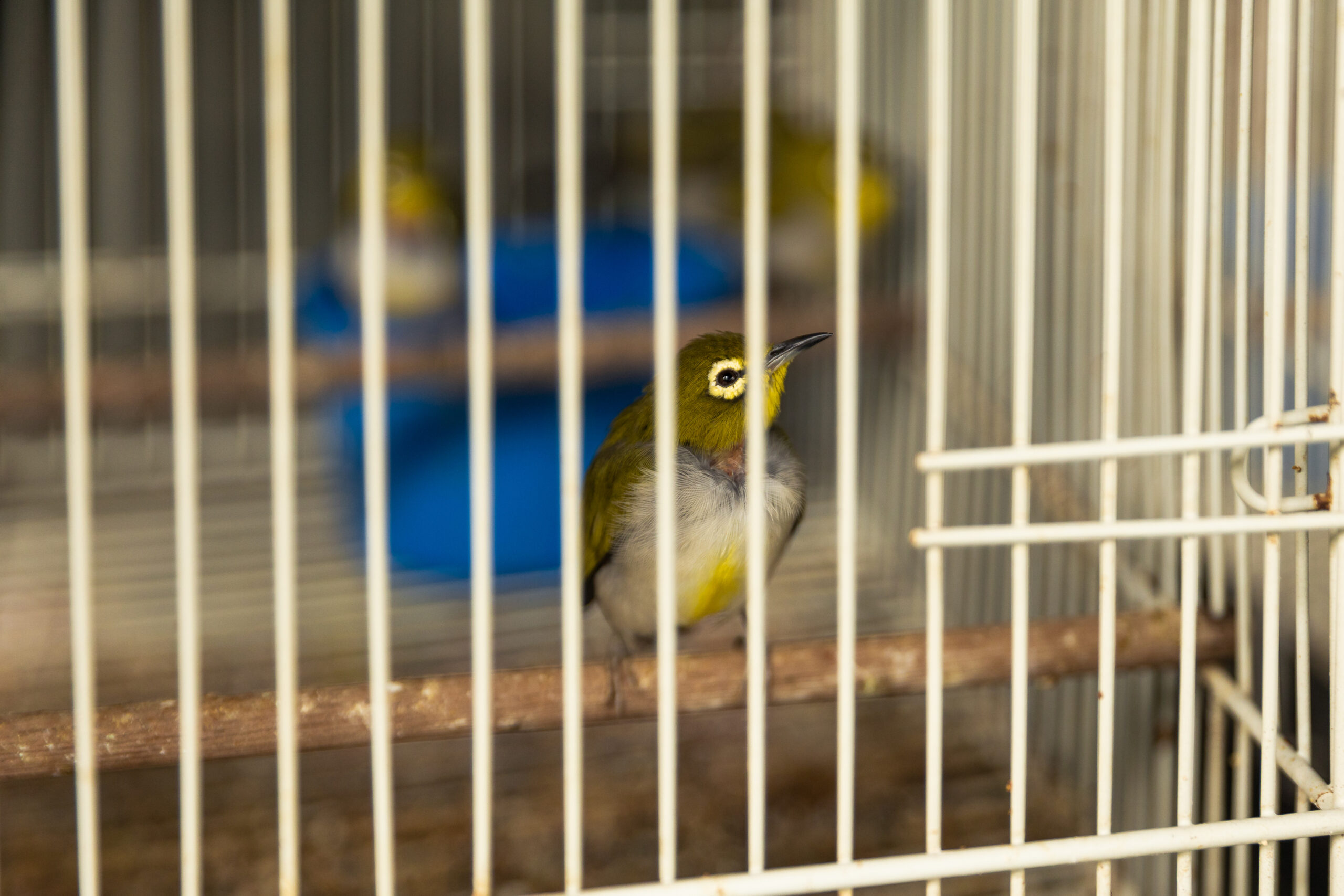
Singapore, while maintaining strong measures against illegal wildlife trade, is also part of the wider regional songbird trade through domestic demand and its role as a major transport hub. This highlights the importance of continued enforcement, public awareness and international cooperation.
Addressing the songbird trade requires more than enforcement alone. Conservation organisations, including BirdLife International and its partners across Asia, work to protect wild bird populations, raise awareness of the impacts of unsustainable trapping, and support local communities in developing sustainable livelihoods. These efforts recognise that lasting conservation outcomes depend on balancing the needs of both people and nature.
Through the 42nd Singapore Bird Race, we hope to shine a light on this complex issue and encourage greater awareness, understanding, and dialogue. By fostering informed conversations, we aim to support collective efforts towards a more sustainable future for both people and wild songbirds.
For more info on the Caged-bird Trade in Asia, read our Nature Watch 2026 Quarter 3 publication.
About the Straw-headed Bulbul
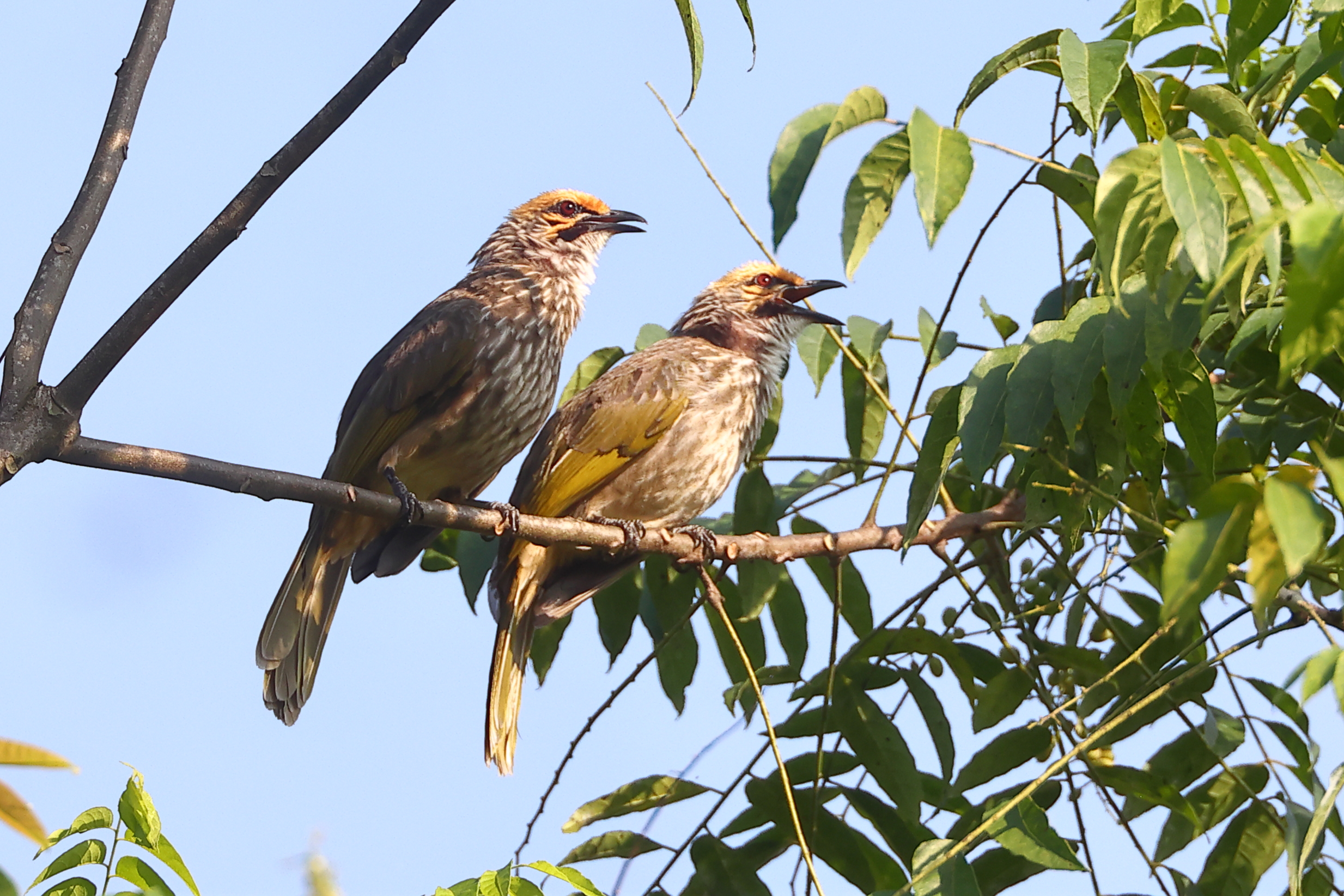
In line with this year’s theme, the race spotlights the Straw-headed Bulbul (Pycnonotus zeylanicus).
The Straw-headed Bulbul is the largest Bulbul species here in Singapore. It has a melodious bubbly call that has captivated bird lovers and unfortunately made it a highly sought after bird for the songbird trade in wider Southeast Asia. Globally, it is listed as a Critically Endangered species by the IUCN and Appendix I on CITES banning all commercial trade.
Thankfully, Singapore has become a stronghold for Straw-headed Bulbul populations, holding roughly a third of the entire world’s population. Most of them can be found in our parks and nature reserves, making it much easier to deter poaching. As such, it has become a symbol for songbird conservation here in Singapore and wider Southeast Asia.
https://www.youtube.com/watch?v=EyybmcELcPU&list=PLbiXZ75r-5C0&index=1
Other Featured Species
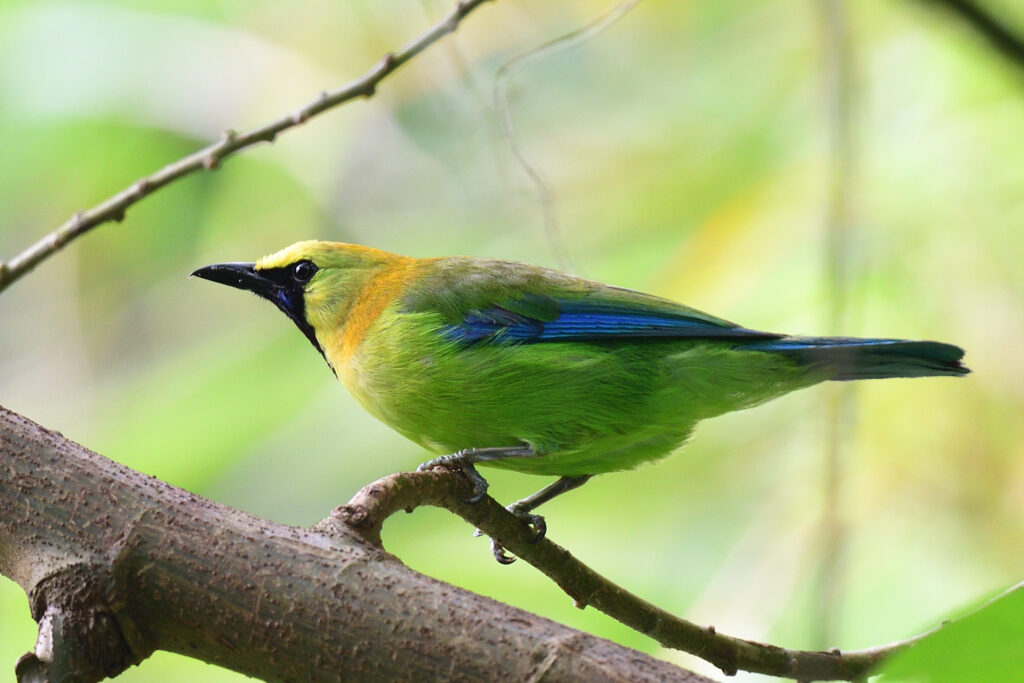
Blue-winged Green Leafbird
The Blue-winged Green Leafbird (Chloropsis moluccensis) is a striking species of songbird with vibrant plumage. They are easily identified by their bright green bodies and bluish wings and tails. Male’s have black faces and throats, while females do not. Found across Southeast Asia, including Singapore, these birds are common sights in the caged bird trade in Indonesia. Their bright colouration and vocal nature make them highly sought after as pets.
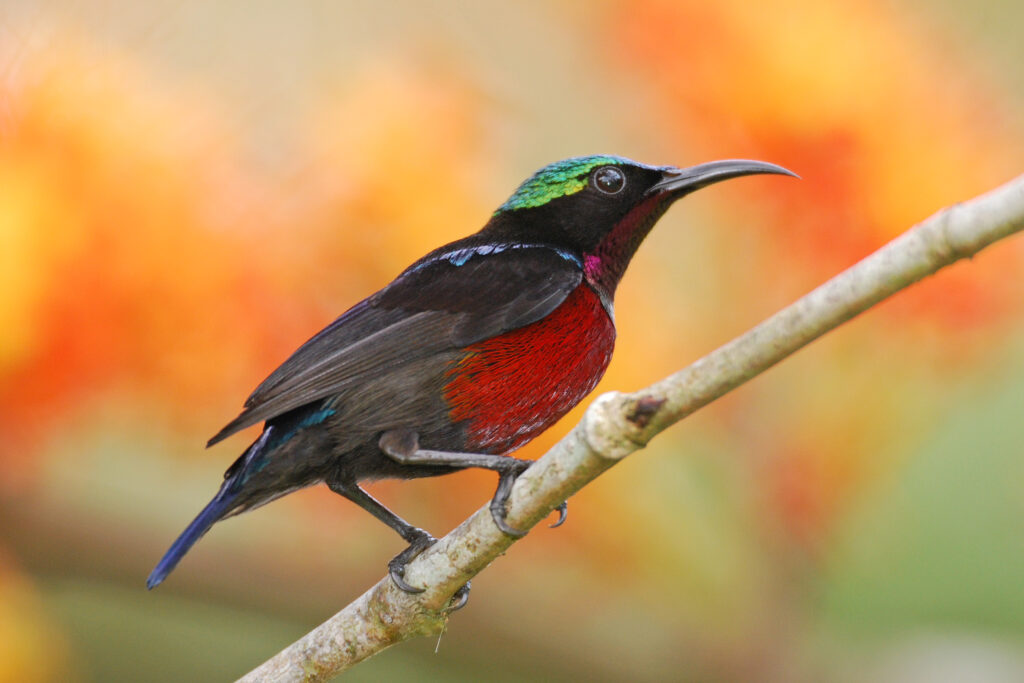
Van Hasselt’s Sunbird
The Van Hasselt’s Sunbird (Leptocoma brasiliana) is one of the most brilliantly coloured birds. The males are known for their iridescent crown and throat that stand out beautifully from the darker bodies. This is what makes them especially alluring in the songbird trade. While it is listed as Least Concerned by the IUCN, reports have found an increasing number of these species being traded, especially in the Sukahaji Market in Indonesia. If the trend continues, this could end up as a threatened species very soon.
Other Notable Species
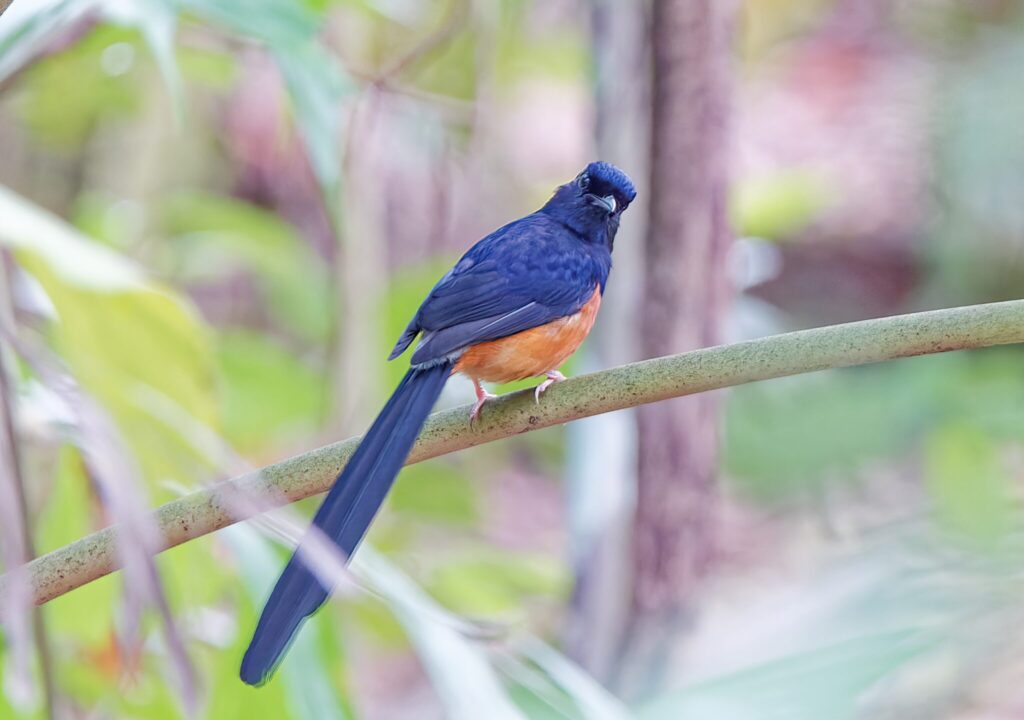
White-rumped Shama
The White-rumped Shama (Copsychus malabaricus) is an elegant song bird that is distributed around Southeast Asia and South Asia. Males have glossy bluish-black heads and bodies, an orange belly, white rump and a beautifully long tail. This, coupled with their vocal nature makes them especially alluring in the bird trade. Here in Singapore, they are listed as locally Endangered by the Singapore Red Data Book, and are sometimes seen in neighbourhood bird shops or bird owners.
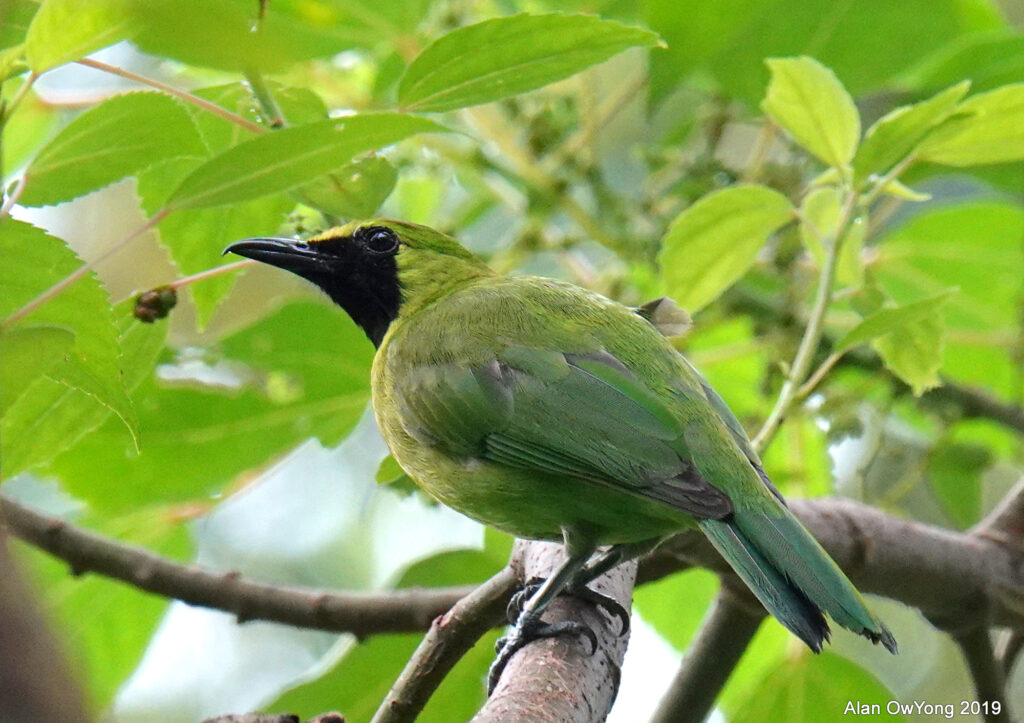
Greater Green Leafbird
The Greater Green Leafbird (Chloropsis sonnerati) is the largest of the leafbirds native to Southeast Asia and has been a popularly traded species for decades. Despite its trade being banned in Malaysia, Singapore and Thailand, it is still listed as an Endangered species by the IUCN. In the 90s, it was one of the most commonly sold birds in Singapore, with over 400 individuals found across seven shops. Across the region, the Greater Green Leafbird has been found to have disappeared from parts of its range, most likely due to poaching and habitat loss.
Poaching
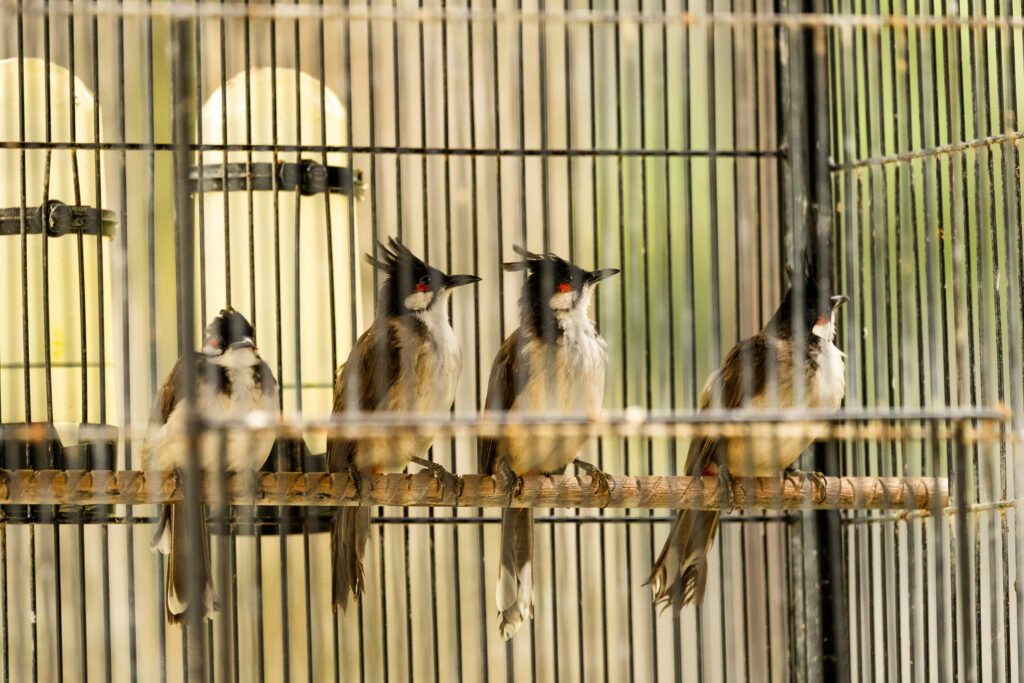
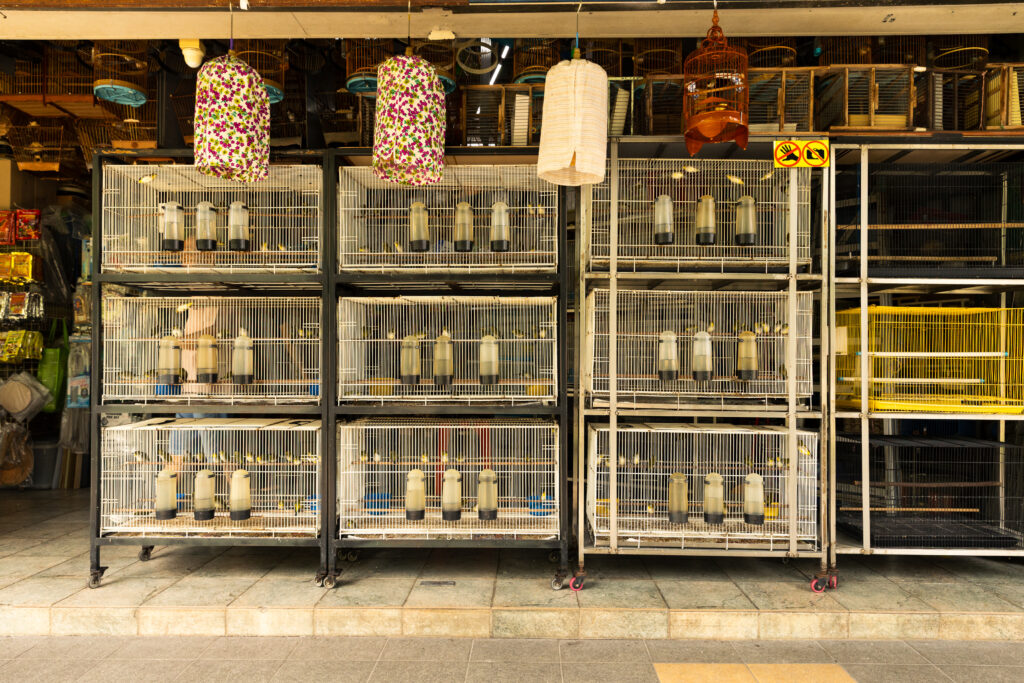
Poaching is the act of illegally taking, trapping, keeping or killing of any wildlife without official authorities’ approval.
In Singapore, wildlife is protected under the Wildlife Act 1965 where offences involving protected wildlife can carry fines of up to $50,000 or 2 years imprisonment.
Poaching of Songbirds
In Southeast Asia, millions of songbirds are poached for their melodious calls to be sold or kept as pets. Common poaching methods include:
- Smearing birdlime, a sticky substance, or glue on branches to trap birds as they perch.
- Playing recordings of birdcalls or using a caged bird to lure wild songbirds into traps.
- Use of fine nets to capture birds in flight.
These birds are then confined into cages, crates or boxes, sometimes stuffed in plastic bottles or PVC pipes to be transported to the pet market. Many of them do not survive the journey and unfortunately, the scale of poaching has also left many forests silent.
What We Can Do
We don’t need to take them from nature to appreciate them. As BirdLife Partners, NSS and other nature conservation organisations advocate bird appreciation through responsible birdwatching, photography, and contributing observations.
What To Do If You Spot Poaching
If you see someone illegally trapping or keeping wild animals, do not approach or confront them.
Contact NParks at 1800 476 1600. Read more on NParks website.
Advocacy & Citizen Science
What is Citizen Science
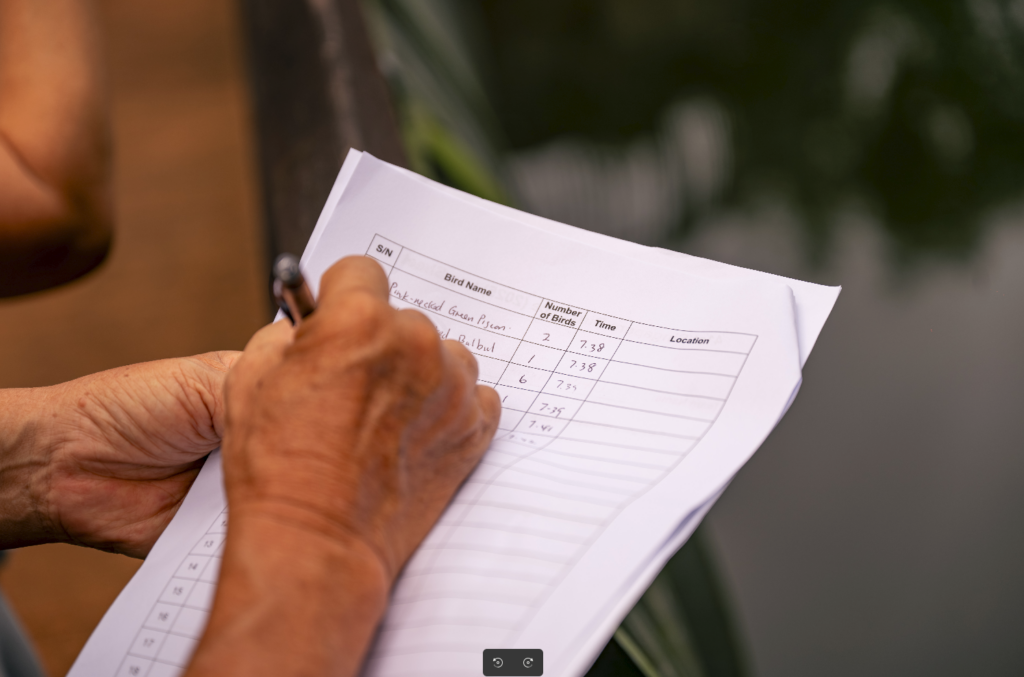
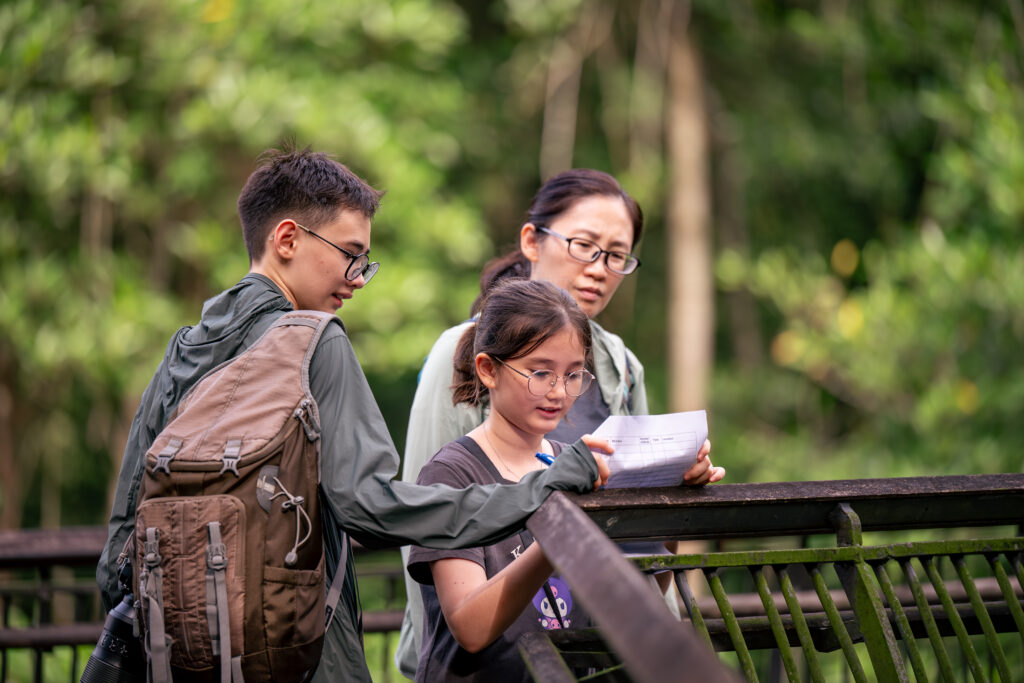
Citizen science is the belief that anyone can contribute to scientific research by collecting and sharing observations and data, regardless of experience.
It provides an avenue for the public to increase awareness of environmental challenges while supporting scientists in their work. Allowing them to survey larger areas and longer timeframes, which they would have not been able to achieve on their own.
Citizen Science at the Singapore Bird Race
Join the Singapore Bird Race! More than a competition, NSS will be uploading all bird sightings recorded during the race to eBird, which contributes to a growing body of data to help us understand Singapore’s bird populations.
Whether you are an experienced birder or seeing a species for the first time, your observations can help build a better picture of the biodiversity around us.
Other Ways to Contribute to Citizen Science
Citizen science does not stop at the Bird Race. You can contribute your own observations through platforms such as:
- eBird (for bird sightings)
- iNaturalist (for general biodiversity to contribute to biodiversity research)